Tips for Buying Medical Bed Solutions
Customized Aging Care Bed Systems for Greater Comfort
Tailored elderly care bed solutions are increasingly recognized for their role in raising comfort and overall well-being among seniors. Customized features can address specific health concerns, impacting sleep quality and emotional stability. Many seniors face unique challenges that modify their rest. Understanding these challenges is important. What specific innovations in bed design can make a significant difference in their daily lives? The answers may reshape how we approach elderly care.
Why Seniors Battle With Sleep and How Custom-made Beds Can Make a difference
As seniors age, they often come across various challenges that interfere with their sleep, along with ongoing pain, medical conditions, and modifications in sleep patterns. These factors can lead to frequent awakenings and hardship in achieving restorative rest. Many seniors also encounter mobility issues, making it more difficult to seek out relaxing sleep postures. Traditional beds may not provide the necessary backing or adjustability essential for personal well-being.
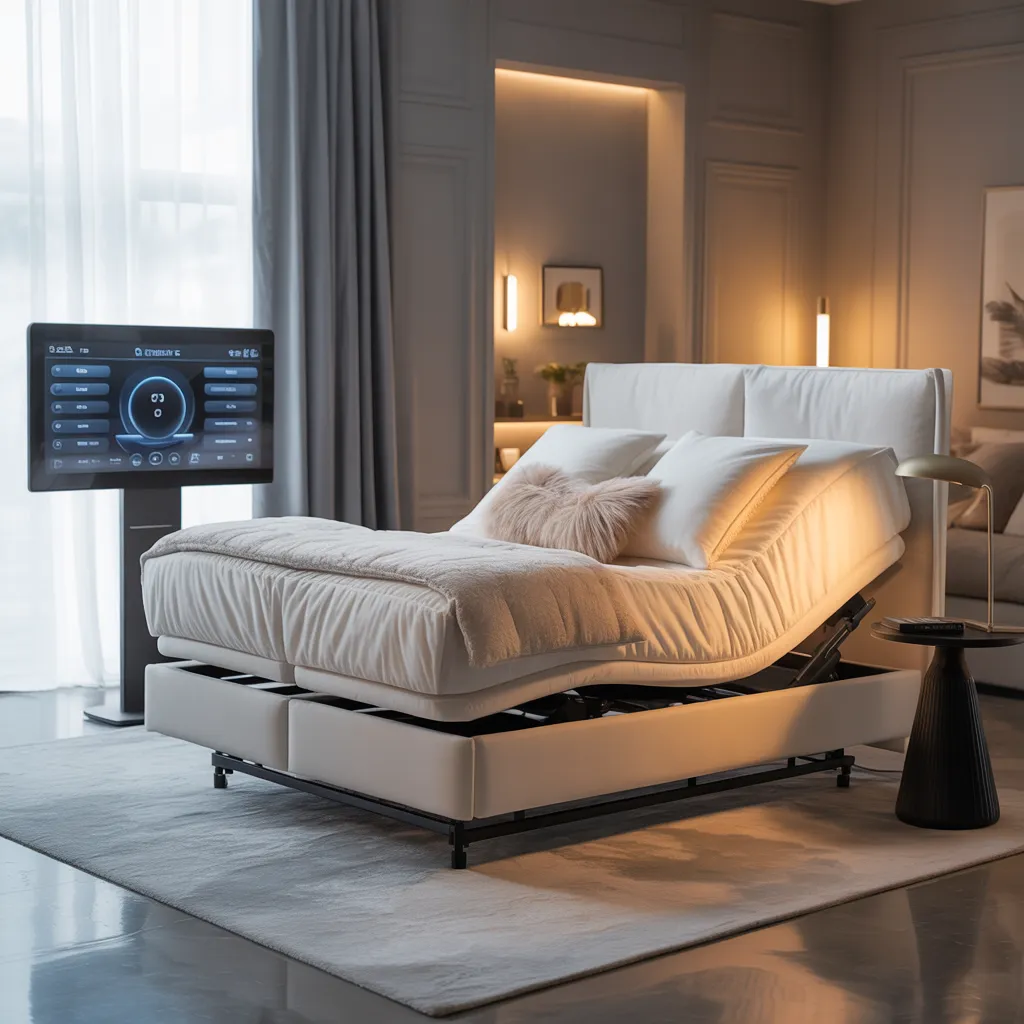
Customized sleep systems significantly alleviate these issues. Equipped with modifiable frames, these beds enable seniors to raise their head or legs, easing pressure on sensitive zones and boosting circulation. Moreover, bespoke mattresses are fitted to address specific needs, including firmness preferences and thermal management. By improving overall sleep quality, customized beds aid in fostering better well-being, helping seniors to start the day revitalized and ready to engage in daily tasks. Ultimately, custom bed solutions are key in solving sleep issues faced by older adults.
Prevalent Sleep Troubles Among Seniors and How They Impact Them
Sleep disturbances are a widespread concern among seniors, significantly affecting their overall health and well-being. Common problems include insomnia, sleep apnea, and restless leg syndrome, each leading to fragmented sleep patterns. Insomnia may arise from various factors, including medications, chronic pain, or anxiety, resulting in daytime fatigue and cognitive decline. Sleep apnea, defined by interrupted breathing during sleep, can lead in serious health complications such as cardiovascular problems and increased risk of falls. Restless leg syndrome often presents as uncomfortable sensations in the legs, causing frequent movement that disrupts restful sleep. These problems not only reduce physical well-being but also exacerbate emotional challenges, such as depression and anxiety. Consequently, tackling sleep issues in seniors is crucial for enhancing their overall quality of life, ensuring they remain engaged and active in their daily activities. Understanding these common sleep issues is essential for creating effective interventions and support strategies.
Essential Features of Elderly Care Beds for Maximum Comfort
Throughout the domain of senior care, the design of beds plays a essential role in preserving comfort and safety. Key features such as adjustable height mechanisms, pressure relief bedding, and supportive side rails greatly improve the user experience. These features enable a more restful sleep environment tailored to the needs of seniors.
Variable Height Mechanism
An height-adjustable system represents an essential feature in geriatric bedding, substantially boosting ease of use and convenience. This mechanism allows healthcare providers to readily change the bed's height, facilitating secure transitions for both patients and staff. By dropping the bed, individuals can climb aboard and depart with negligible exertion, reducing the risk of falls. Similarly, raising the bed aids helpers in performing tasks without excessive bending or lifting, thereby advancing ergonomic practices. The competency to modify bed level not only supports autonomy for the seniors but also caters to diverse care demands, ensuring that the bed can modify to different situations. Overall, this feature considerably contributes to a safer and more comfortable care environment for the elderly.
Pressure Alleviating Mattresses
Enhancing comfort and preventing bedsores, pressure relief mattresses are essential components of elderly care beds. These specialized mattresses distribute body weight uniformly, reducing pressure points that can lead to skin breakdown. Made from advanced materials like memory foam or gel-infused layers, they adapt to the contours of the body, ensuring a cozy sleeping surface. Additionally, many pressure relief mattresses feature adjustable firmness levels, allowing caregivers to customize support based on individual needs. The breathable fabric enhances airflow, promoting a cooler sleep environment while minimizing moisture buildup. Regular maintenance, such as cleaning and replacing worn-out mattresses, is essential to maintain their effectiveness. Overall, pressure relief mattresses greatly contribute to the overall well-being and comfort of elderly patients.
Beneficial Side Rails
Supportive side rails represent important aspects of elderly care beds, delivering critical protection and comfort for residents. These rails are created to avoid tumbles, offering balance when residents change their posture or exit and enter the bed. They also act as handholds, supporting individuals with limited mobility. Numerous models offer adjustable heights, permitting care providers to adjust the supports to address personal needs efficiently. Furthermore, certain side rails include built-in storage for personal belongings, increasing usefulness. The use of cushioned materials can additionally increase ease, reducing the risk of injury from unplanned collisions. In summary, bed safety rails significantly contribute to a secure and comfortable space, making certain that elderly residents can maintain their self-reliance while obtaining vital care.
Adjustable Beds for Safety and Usability
What approaches can beds that adjust transform the safety and accessibility of senior care? These beds provide significant benefits by enabling adjustable positioning options that enhances comfort and mobility. By allowing users to elevate their upper or lower body, adjustable beds facilitate easier shifts between lying down and sitting up, reducing the risk of falls during these motions.
Moreover, their layout can accommodate assorted medical issues, such as arthritis or respiratory issues, making daily get going activities safer and more manageable. Many adjustable beds also are equipped with features like remote controls and memory settings, permitting caregivers to change the bed's position effortlessly.
Moreover, sleek styles can blend effortlessly into home environments, minimizing the social stigma often linked to hospital-style equipment. Ultimately, customizable bed frames not only enhance safety and accessibility but also contribute to a sense of independence and dignity for elderly individuals.
Finding the Appropriate Mattress for Aging Individual Comfort
What elements should be considered when choosing a mattress for seniors? Comfort and support are essential, as elderly individuals often suffer from pain in joints and other medical conditions. A mattress that delivers adequate pressure point relief can improve sleep quality and reduce discomfort. Additionally, mattress firmness has an important role; a medium-firm mattress typically maintains balance between support and softness.
Temperature control is one more significant dimension, as seniors may be more sensitive to heat. Materials like gel-infused memory foam or breathable latex can help ensure a comfortable sleeping environment. Weight considerations are similarly important; lighter seniors may gain benefit from softer mattresses, while heavier individuals often require firmer support to stop sagging.
Lastly, comfort of movement should not be overlooked. A mattress that lets older people change positions effortlessly can avoid stiffness and increase total comfort during sleep. Selecting an appropriate mattress is essential for encouraging deep sleep and general wellness.
Success Stories: Changing Sleep With Made-to-Order Bed Solutions
Changing lives through personalized bed solutions has become a source of hope for many seniors facing difficulties with sleep concerns. One remarkable story involves an 82-year-old woman who, after years of restless nights due to discomfort, found comfort with an adjustable bed that addressed her unique needs. This solution allowed her to elevate her head and legs, greatly reducing her sleep apnea symptoms.
In the same way, a 75-year-old man suffering from arthritis noted a significant enhancement in his sleep quality after switching to a memory foam mattress designed for pressure relief. He mentioned that the customized support reduced his pain, enabling him to experience uninterrupted rest.
These testimonials exemplify the favorable outcomes of tailored bed solutions, allowing seniors to reclaim their sleep and, in turn, enhance their overall life quality. Such breakthroughs not only address physical discomfort but also encourage emotional health, forming a holistic approach to elderly care.
Frequently Commonly Posed Questions
How Do I Find the Best Bed Height for My Elderly Family Member?
To identify the best bed height for an senior family member, determine their knee height when seated. The bed should allow straightforward access for exiting and entering, promoting safety and comfort during use.
Do specific bed materials exist that are non-allergenic for seniors?
Yes, specific materials like organic cotton, bamboo, and hypoallergenic memory foam are optimal for seniors. These alternatives decrease allergens and boost comfort, promoting better sleep quality and overall health in elderly individuals.
What Upkeep Obligations Do Customized Elderly Care Beds Have?
Custom elderly care beds require regular inspections for damage, disinfecting of surfaces with non-toxic agents, and checking mechanical components for functionality. Proper maintenance guarantees durability and safety, boosting overall comfort for elderly users.
Can Tailored Beds Accommodate Healthcare Equipment Like CPAP Machines?
Yes, personalized beds can support medical devices like CPAP machines. These beds often include integrated storage solutions and power outlets, ensuring safe and convenient access for users managing their health conditions during sleep.
Do Monetary Aid Plans Available for Purchasing Customized Elderly Care Beds?
Yes, multiple financial support programs exist for purchasing customized senior care beds. Alternatives include Medicaid, Medicare, and nonprofit groups, which can provide funding, enabling families to access essential equipment for elderly individuals' care and wellbeing.